Keyboard shortcuts have become ubiquitous. They are indispensable tools that help everyone navigate their digital environments with speed and ease. Now you can use one more keyboard shortcut to add some personality and fun to your AWeber emails and landing pages with ease: introducing the inline emoji-picker.
Simply type ‘:’ and begin your search, the inline picker will refine based on your text. Choose your emoji and that’s it, it’s that easy!
Here’s how we’ve incorporated even more keyboard shortcuts throughout the AWeber platform to help you seriously speed up your workflow:
🗺️ Navigation Shortcuts
You can navigate to different pages and features in your AWeber account using super handy keyboard shortcuts. Need to start creating a message? Hit “Shift + M”. Want to head to Reports to check the stats on your most recent email? Simply Hit “R”!
Here’s a super handy Cheat Sheet you can print out and keep by your computer.
✨ The Slash Menu
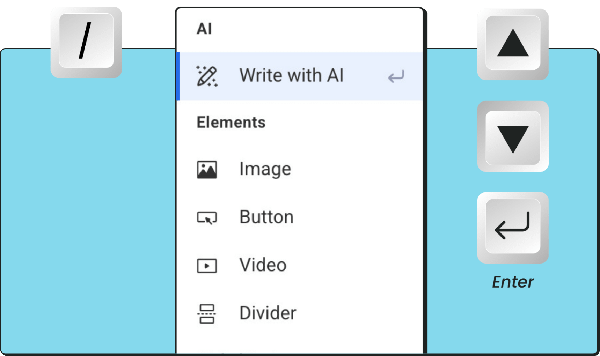
Type “/” on any new line in our Message Editor to quickly add new elements or to write with AI. Navigate up and down the menu with your arrow keys and hit Enter to make your selection. This handy shortcut can seriously speed up your creation process.
💇 Styling Shortcuts
Keyboard shortcuts are an effective way to style your message as you see fit without having to click extra buttons. The shortcuts used will vary depending on if you’re using a Mac or Windows device.
💅 Markdown Keyboard Shortcuts
Want to take your text formatting and styling to the next level? Say hello to Markdown. Markdown is a text-to-HTML language used for quickly formatting and styling text. Type a hashtag to get an H1 or two hashtags for an H2. Need a blockquote? Type a right angle bracket (>).
Check out some of the other things you can do with Markdown in action below ⬇️
Getting used to keyboard shortcuts takes a bit of practice, but the benefits are well worth the effort. Start by learning a few essential shortcuts that you use frequently, like Ctrl + C for copy, Ctrl + V for paste, and Ctrl + S for save.
Sound familiar? Of course it does. It’s one of the top reasons our customers give us for letting their email marketing flatline. They just run out of ideas or topics to write about.
Even pro writers come up with major email block. Ann Handley, co-founder of Marketing Profs and the popular book “Everybody Writes,” only sent two emails to her subscribers in 2017. (In fact, the lack of communication was her catalyst behind revamping her entire newsletter strategy.)
But when your emails stall, you can’t make connections with your subscribers. You can’t sell. You can’t gather feedback from your audience. You’re leaving money on the table!
Never waste time trying to think of a topic when you should be writing. Here are 8 brainstorming techniques that will help you create a list of topics for future emails.
Quick Notes on Brainstorming
First things first: Let’s go over a few quick notes re: brainstorming.
Coming up with ideas for your content is serious, but don’t get too caught up on producing the perfect idea right away. If you’re too critical, you won’t get anything written down. You never know what a random word now could make you think of later. Keep a positive mindset and be open to any and all ideas.
Don’t worry too much about following the rules. Brainstorming is all about creativity and finding whatever method works best for you. While one person might do well with a structured brainstorming process, another might thrive with a loose, free-flowing idea session.
The important thing to remember about brainstorming ideas for your email campaigns is that you’ll want to stay open-minded throughout your process . . . regardless of what that looks like.
Next, let’s start looking at a few specific brainstorming techniques you can try in order to get the ideas flowing.
Brainstorming Techniques for Stellar Email Ideas
Before we jump in, let’s talk about AI (I know, I know). Copywriter extraordinaire Eddie Shleyner said, “AI may eventually replace some writing. But it cannot replace writers, people, everything we know and feel and emote.”
I agree.
I don’t think AI will replace the human touch any time soon, but it can be a super valuable unblocker. Our AI Writing Assistant, built directly into the AWeber message editor, can be a great brainstorming resource when you’re stuck on what to write about, a new word to describe something, or how to hit the tone you’re looking for.
Check it out and keep it in your brainstorming arsenal so you can get back to what you love faster.
Okay, on to the techniques.
Brainstorming Technique #1: Word Association
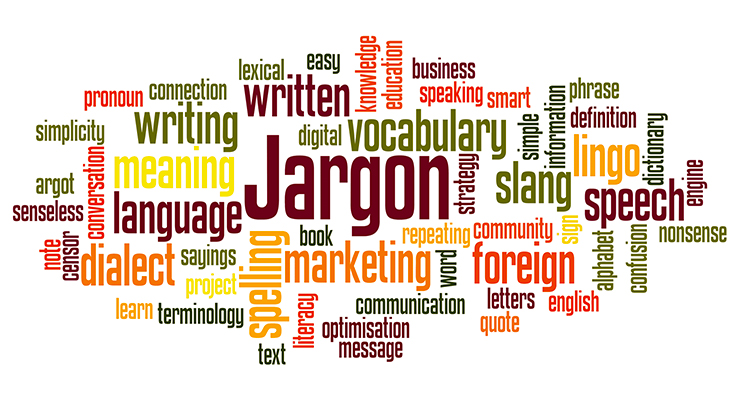
Start with one or two words related to a broad topic, and write down anything they make you think of. Let your inner editor rest for a bit and just jot down whatever ideas and words come to mind. If you need help, try a tool like Visuwords to get the process going.
Don’t overthink things or worry about explaining how the words are related (at least right now.) Instead, let the ideas flow and see what interesting concepts naturally arise.
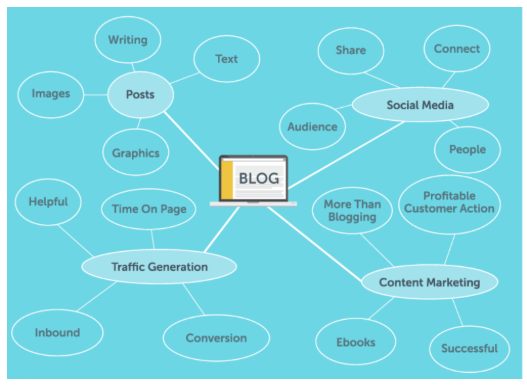
This is a similar concept to the word association technique. Start with a word in the middle and draw lines outward to the ideas that word sparks. Mapping helps you visually process your ideas and decide which ones are the strongest.
If we can figure out how things are connected, sometimes we can borrow solutions or ideas from another field to solve our own problems. Look for parallels around the issues you’re facing in different areas — like your personal life or at work.
For example: Did you recently overcome a challenge at work that taught you a lesson or provided some new perspective on an issue? How can you share that experience as a story that may help your audience with their biggest pain point? You might have come to a solution that would make for a brilliant email campaign.
Brainstorming Technique #4: Blind Writing
Just. Don’t. Stop.
You don’t need a plan of attack or an outline for this — just put words on a blank page, no matter what they are. You never know what will spark an idea, and writing anything is the first step to writing something good.
Set a timer and challenge yourself to keep writing for however long you want. You may be surprised how much you can get down on paper in a short window of time.
Brainstorming Technique #5: Challenger
Make a list of your assumptions (about your customers, your content, your format, etc.) and then challenge them one by one. You might think you already know the best way to do something, but we don’t make progress by never questioning things.
This is also why split testing emails is so important. You may think one subject line will perform better over another, but without testing, you never truly know.
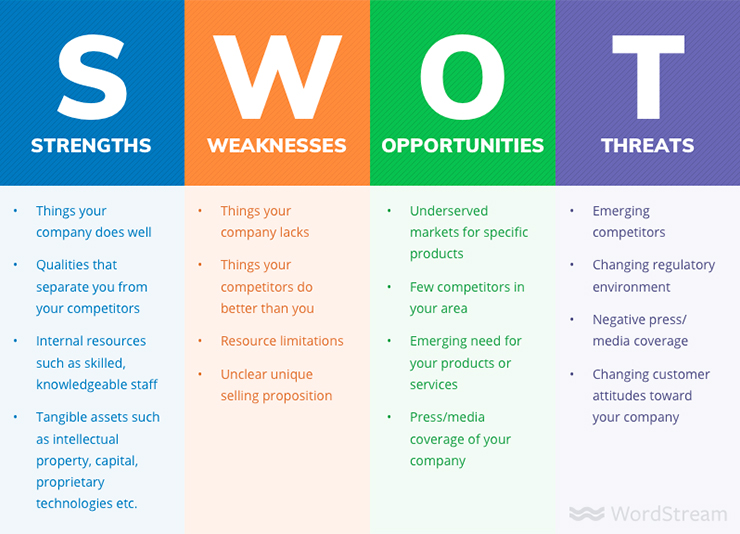
Create a table to assess the strengths, weaknesses, opportunities, and threats (SWOT) to your current approach to email content. This helps you see your process in a more analytic way and logically decide if there is a more effective way to write, share, and educate.
As you complete your SWOT analysis, be sure to see what your main competitors are doing and make notes on how you may (or may not) be measuring up with your current approach.
Conversations with your subscribers can lead to a treasure trove of email ideas. Ask your subscribers questions and try to find out as much information about them as possible. What do they actually want or need from you? What are their biggest obstacles, goals, or main pain points?
Your subscribers’ feedback will be immensely valuable to your business. You can use it to write your next email, and other types of content like blog posts, videos, and social media posts. You can also take it a step further by using the feedback to correctly position your product, inspire loyalty, and/or develop all-new products.
Brainstorming Technique #8: Start with the Subject Line
Set a timer for 5 minutes. Then, come up with a list of subject line ideas that you would absolutely open if they hit your inbox.
Ask yourself questions like:
What’s the key point in this email that a subscriber would be eager to know more about?
Did I write about something in the email that would surprise the reader?
What do readers need to know right now?
The subject lines you write may even spark some all-new content ideas.
Consistently sending emails is a wonderful way to keep subscribers engaged, but try not to forget that no one wants to open an email that doesn’t actually have any new or useful information. Having a constant supply of fresh email ideas keeps you from getting marked as spam and sent to the junk mailbox, never to be opened again.
On a regular basis, brainstorm new topics through these different approaches and keep a swipe file of your best and brightest ideas. You’ll never hit a bottleneck in ideas for email campaigns again.
Ready to start sending killer emails to your list? Then sign up for AWeber Free today!
I’m gonna take things way back. During my senior year of high school, I served as the entertainment editor for our school magazine. For my fellow Gilmore Girls fans out there, I felt like Rory writing and editing for her school’s newspaper, The Franklin (minus the uniforms and a character like Paris out to make my life miserable).
Unfortunately, in my very first issue, I learned an incredibly important lesson the super hard way. 🫠
I designed the entertainment page, which incorporated several images of movies and TV shows that we reviewed that month. I was so happy with how everything turned out—but that happiness turned into utter dismay when we received our copies from the printer. All of the images on the entertainment page were missing.
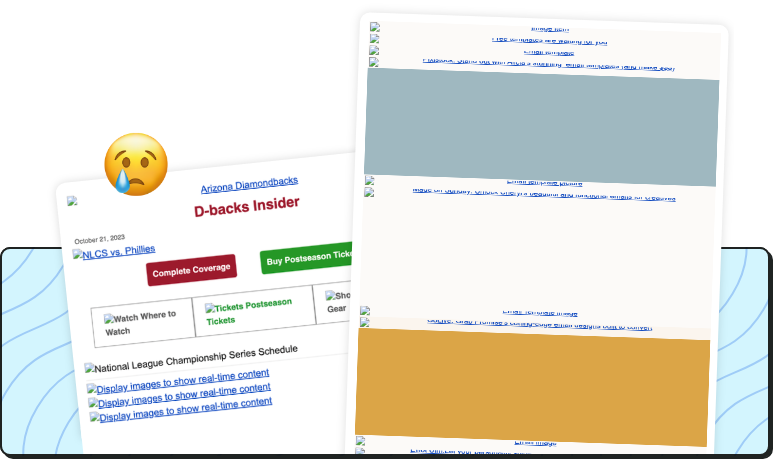
I rushed to check my InDesign file. Sure enough, I had neglected to embed the images before sending it to the printer. The page looked incomplete and unprofessional, with tiny image icons and alt text where so many awesome images should have been.
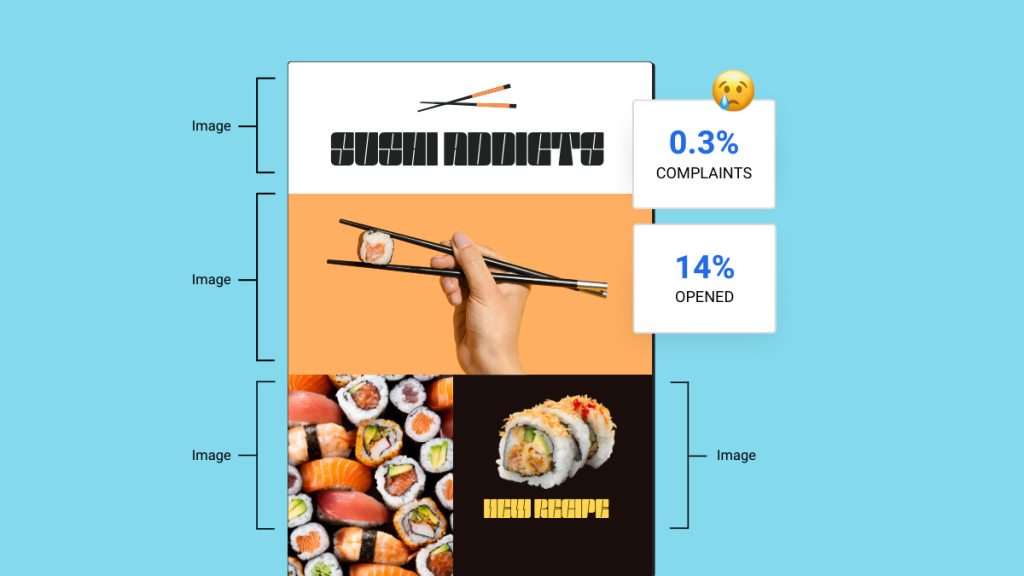
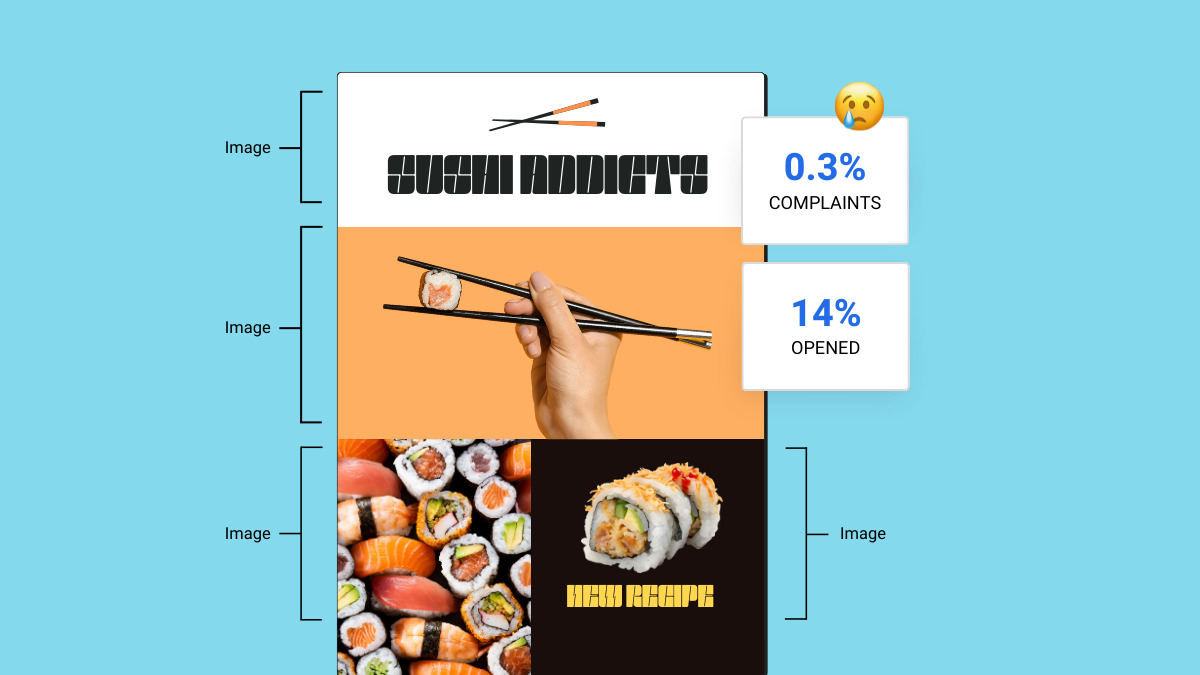
This experience is similar to what happens when images get turned off in emails. Just like how my entertainment page looked incomplete (and, IMO, silly) without its images, your marketing emails can look odd if images don’t load, especially if your email is image heavy, or worse, image only.
🫣 The Problems with Image-Heavy Emails
Loading Issues: Image-heavy emails can take longer to load, especially on mobile devices or slower internet connections, leading to frustrated recipients who may abandon your email before it fully loads.
Accessibility: Many email clients block images by default, which means your message might not be conveyed as intended. Without proper alt text, your recipients might miss out on key information.
Deliverability: Emails that contain a high ratio of images to text are often flagged by spam filters, reducing your chances of reaching the inbox.
🖼️ Best Practices for Using Images in Emails
Balance Content: Ensure a good mix of images and text. This not only makes your email more readable, it also improves deliverability.
Use Alt Text: Always add descriptive alt text to your images. This ensures that your message gets across even if the images don’t load.
Optimize Image Size: Compress your images to reduce loading times without sacrificing quality. This enhances the user experience and keeps your audience engaged. A good rule of thumb is to keep your images under 200KB. In AWeber, we help optimize your images to ensure they will display properly in most mail clients!
Why AWeber’s Templates are the Perfect Solution
We understand the importance of balancing visual appeal with functionality. Our email templates are designed to provide a harmonious mix of images and text, ensuring your emails are not only beautiful but also effective and accessible.
Creating an automated email campaign can seem daunting. You have to consider multiple factors that can make or break your conversions. At the same time, you have to do this while balancing your customers’ needs. Then there’s the need to ensure your automated email series addresses every stage of the buyer’s journey.
To make the process easier, we’ve put together this guide. Follow these email automation workflow best practices for optimal results.:
6 email automation best practices to follow
Ready to jump on the email automation bandwagon? Follow these six email automation best practices to reach your subscribers with the right emails at the right time:
1. Set goals and map your automated workflow
Setting up an automated email workflow is pointless if you don’t know what you want to achieve. Think about it. How else will you gauge the effectiveness of your automated email sequences without marketing goals?
Your goals determine the type of automation workflows you set up. For example, an email sequence whose goal is to drive sales will look different when compared to one that exists to onboard new customers.
Here are other automated email workflow goals you might have:
To inform or educate
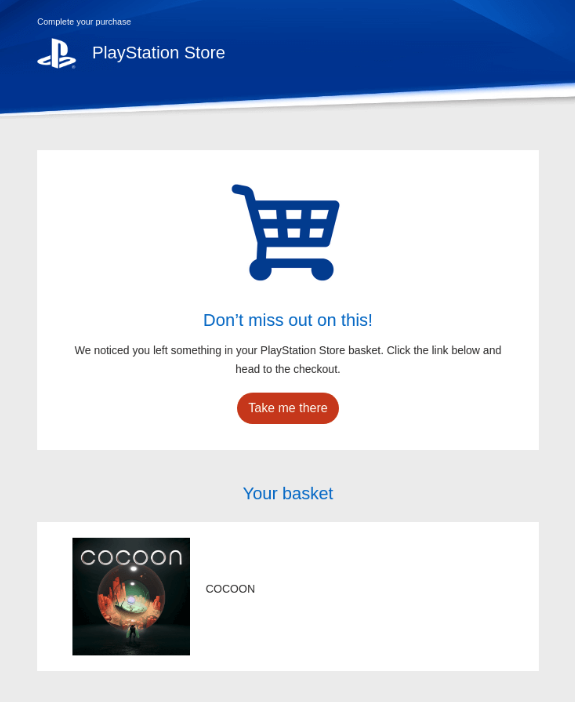
To reduce cart abandonment
To promote an event
To win back subscribers
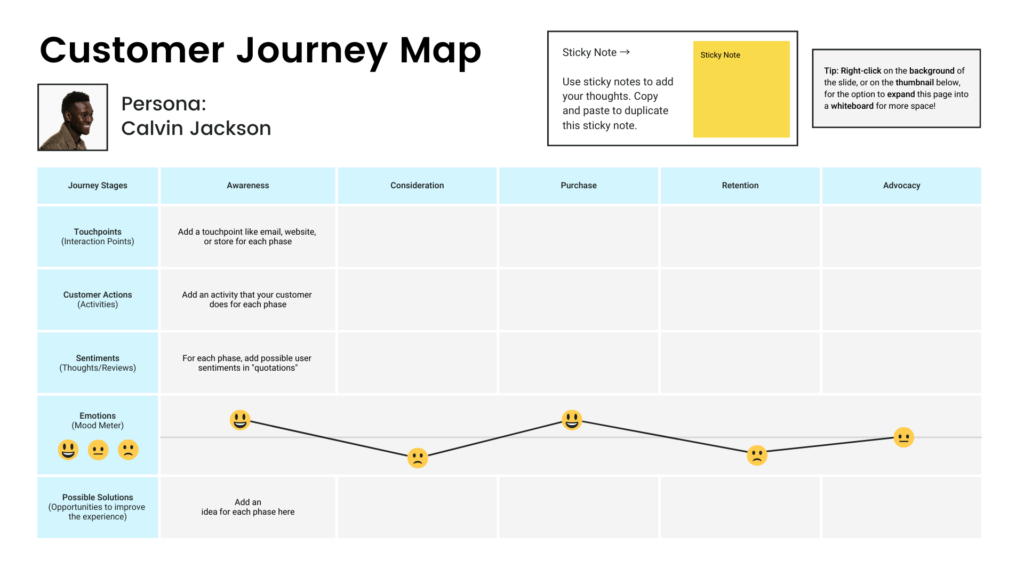
To ensure the best results, your automated workflows and goals should align with every stage of the customer journey. That’s why creating a customer journey map helps. Think of the customer journey map as a visual representation of the stages your customer goes through when interacting with your brand. Essentially, it allows you to visualize your customer’s specific points of interaction with your brand at every stage.
The main benefit of this email automation strategy is that it can boost your customer retention rates. When you combine goals with a customer journey map, you can deliver timely messages that resonate with your customers.
Additionally, when you analyze your automation workflows against goals, you can identify the factors that impede desirable user behavior. This can help you finetune your email workflows and help customers progress through their journeys.
2. Trigger emails on customer behavior
When creating a sequence of emails, automate them to send based on specific customer actions and inactions.
Behavioral triggers refer to email sequences that activate in response to the recipient’s actions. Common behaviors that can fire off such email workflows include:
Meanwhile, time-based triggers occur in response to inaction. For example, you can set up an email sequence that triggers after a user has been inactive for a specified period. The content, calls to action, and aim of each of the individual emails in the sequence will be to win back the customer.
Triggered emails are essential because they let you speak to the customer at specific points in their journey. That helps enhance the customer experience.
Additionally, trigger emails target specific customer journey stages. So, they essentially lead customers toward taking a desired action.
3. Incorporate follow-ups in the automated campaigns
Unfortunately, emailing your target audience once won’t be enough to get them to take your desired action. It doesn’t even matter whether they’ve expressed a strong interest in your products or services. Life’s distractions could still steal their focus away and hurt your chances of making a sale or nurturing a lead.
So, incorporate follow-ups into your automated campaigns.
This entails contacting a customer who has stopped progressing through their customer journey. For instance, the customer may have abandoned their shopping cart at checkout or registered for a webinar but failed to attend. Whatever the case, your follow-up email serves to give them a gentle nudge so that they re-engage with your brand.
In the context of automated emails, your follow-up emails should trigger in response to your email recipient’s behavior. Abandoned carts, lead magnet downloads, newsletter subscriptions, free trial signups, and more are all fair game for follow-up emails.
Regarding how often you should follow up with your customers, there’s no clear-cut answer. As a rule of thumb, aim to automatically send follow-up emails a few days after your initial confirmation email. For example, if a customer abandons their shopping cart, you can wait between three days and a week before following up with them.
Meanwhile, if a customer’s behavior reveals that they need time to mull over whether to do business with you, play the long game. Program a longer series of emails with informative content like blog posts and case studies to nurture them until they come around. You can use ready-made AI templates like the one above to speed up the content creation process.
4. Implement hyper-personalization
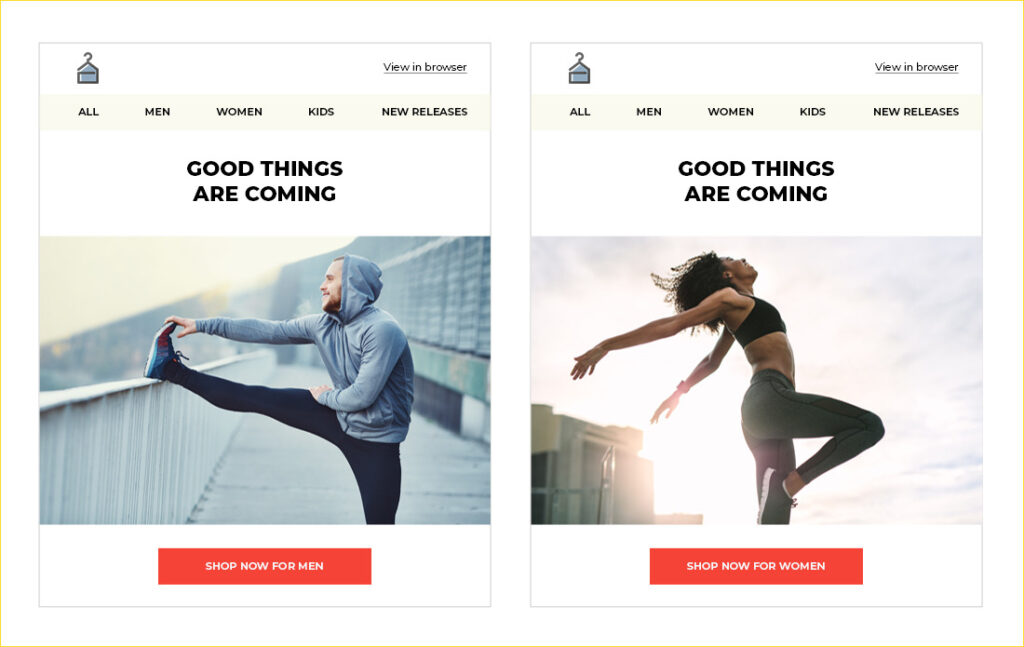
Hyper-personalization refers to email marketing that leverages insights from historical and real-time customer data and use them to deliver relevant and personalized content. For instance, in hyper-personalization, you’d send a male subscriber this email on the left. A female subscriber would receive the email on the right:
To leverage hyper-personalization in your automated email workflows, gather as much customer data. Collect their demographic information, previous purchases, interests, and browsing trends. For this, use tools such as surveys, preference centers, heat maps, and recording sessions.
Your email marketing efforts can benefit from hyper-personalization in numerous ways. For one, it helps you create email content and personalized messages that resonate with your audience segments. When used with email segmentation, you can create dynamic content based on factors like your audience’s behavior and location.
Also, hyper-personalization is great for customer engagement. It can help you tailor your communications in a manner that’s optimal for higher conversion rates. Thanks to AI-powered automation, you can speak directly to your customer’s needs and pain points at scale.
Finally, hyper-personalization gives you a deeper understanding of your customers. This benefit is significant because it improves your email marketing chances in numerous ways.
Not only will you get better at targeting customers, but you’ll also have the data needed to create a pleasant customer experience. Your customers will deem your emails as a source of valuable content.
5. Maintain consistent branding
When your email subscribers open your automated emails, they should instantly know that the email came from you. Brand recognition is key to business success. Half of consumers say they’d buy from a brand they easily recognize.
To foster this familiarity, maintain consistent branding across your email and web properties.
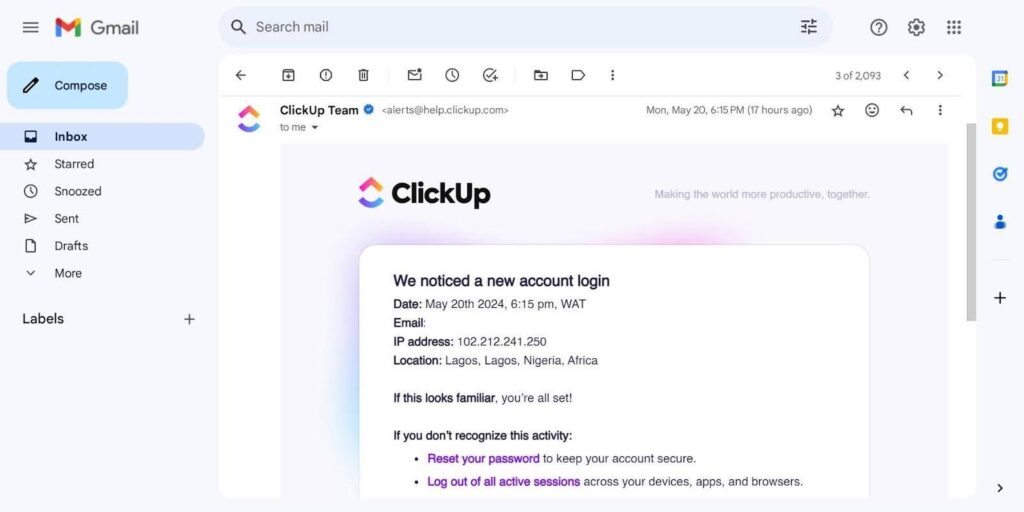
There are several ways to do it. The easiest method is to place your company logo in the profile picture section of your email account and the email’s header. As the image below shows, SaaS company ClickUp adheres to this best practice:
This email design technique ensures that your logo will be the first visual element your email contacts see when they open your emails. It’s also the lowest-cost method for building brand recognition with your email campaigns.
Another effective method for maintaining brand consistency is to use the same design elements in your email as you do on your website. Incorporate the same fonts and color scheme in your email newsletters. This will prevent your potential customers from being confused when they visit your email and other web properties.
6. Continuously track performance
It’s good practice to continuously track how your automated marketing emails are performing. Tracking performance provides a treasure trove of data you can rely on when planning future campaigns.
One way to track performance is to run A/B tests on the various elements of your emails regularly. Send two sets of emails with different subject lines, layout designs, and call-to-action copy to two sets of audiences. Then, note down which version produces higher email engagement rates.
While doing A/B tests, keeping track of success metrics will help you gauge your campaign’s performance. The key metrics to track include open rates, click-through rates, and conversions.
You can analyze the results in your chosen email marketing automation software. Use the metrics to make data-driven decisions related to your workflows as part of your B2C or B2B strategies.
You can also track campaign performance using email funnel conversion analysis.
mail funnel conversion analysis tracks how customers move through your conversion funnel. With it, you can identify bottlenecks that cause subscribers to churn or impede their progress along their journeys. The data you get from this analysis will help you optimize your funnel for conversions.
FAQs
What is an automated email workflow?
An automated email workflow is a series of emails that are automatically triggered and sent based on a subscriber’s specific action. That action can be everything from a link click to a form submission.
Automated workflows can be a powerful tool in your overall email marketing strategy. Not only do they save you precious time. They also help you reach your business goals with minimal intervention.
What are the benefits of email automation?
Email automation workflows provide several benefits. For one, they help you respond to customer behavior appropriately. Also, email automation saves you time. It automates mundane and repetitive workflows (for example, welcoming new customers). Finally, automated workflows drive conversions. They help you personalize email communications and send them to audiences that find them relevant.
What is the best email automation tool?
There are several excellent options on the market, but we can confidently say that AWeber is among the top options. It offers all the features needed for automating email workflows. These include an email builder for design and behavioral automation features. Other great automation tools include HubSpot, ActiveCampaign, and GetResponse.
How do I automate my email?
Automating email campaigns is a five-step process. Step one involves choosing email automation software. The second step has to do with determining the goals for your automated campaigns. Your third step is to target and segment your audience. Step four involves deciding on email triggers. The final step involves creating email campaigns and activating them.
An automated email workflow is a series of emails that are automatically triggered and sent based on a subscriber’s specific action. That action can be everything from a link click to a form submission.
Automated workflows can be a powerful tool in your overall email marketing strategy. Not only do they save you precious time. They also help you reach your business goals with minimal intervention.
”
}
}, {
“@type”: “Question”,
“name”: “What are the benefits of email automation?”,
“acceptedAnswer”: {
“@type”: “Answer”,
“text”: “Email automation workflows provide several benefits. For one, they help you respond to customer behavior appropriately. Also, email automation saves you time. It automates mundane and repetitive workflows (for example, welcoming new customers). Finally, automated workflows drive conversions. They help you personalize email communications and send them to audiences that find them relevant.”
}
}, {
“@type”: “Question”,
“name”: “What is the best email automation tool?”,
“acceptedAnswer”: {
“@type”: “Answer”,
“text”: “There are several excellent options on the market, but we can confidently say that AWeber is among the top options. It offers all the features needed for automating email workflows. These include an email builder for design and behavioral automation features. Other great automation tools include HubSpot, ActiveCampaign, and GetResponse.”
}
}, {
“@type”: “Question”,
“name”: “How do I automate my email?”,
“acceptedAnswer”: {
“@type”: “Answer”,
“text”: “Automating email campaigns is a five-step process. Step one involves choosing email automation software. The second step has to do with determining the goals for your automated campaigns. Your third step is to target and segment your audience. Step four involves deciding on email triggers. The final step involves creating email campaigns and activating them.”
}
}]
}
In closing
The email automation best practices discussed should get your campaigns off to a flying start. Your email campaigns must incorporate follow-ups to bring disengaged customers back into the fold. Without goals, creating automated workflows will be a pointless endeavor. For best results, make sure to map them to the customer journey during the goal-setting phase.
Meanwhile, hyper-personalization can help you gain actionable insights into your audience and drive customer engagement. Maintain consistent branding across your email, social media accounts, and website. This will ensure brand recognition. Automate trigger emails to ensure content gets sent at the right time and based on pre-specified user actions. Finally, consistently track your campaign performance. It will help you iron out any issues in your future campaigns.
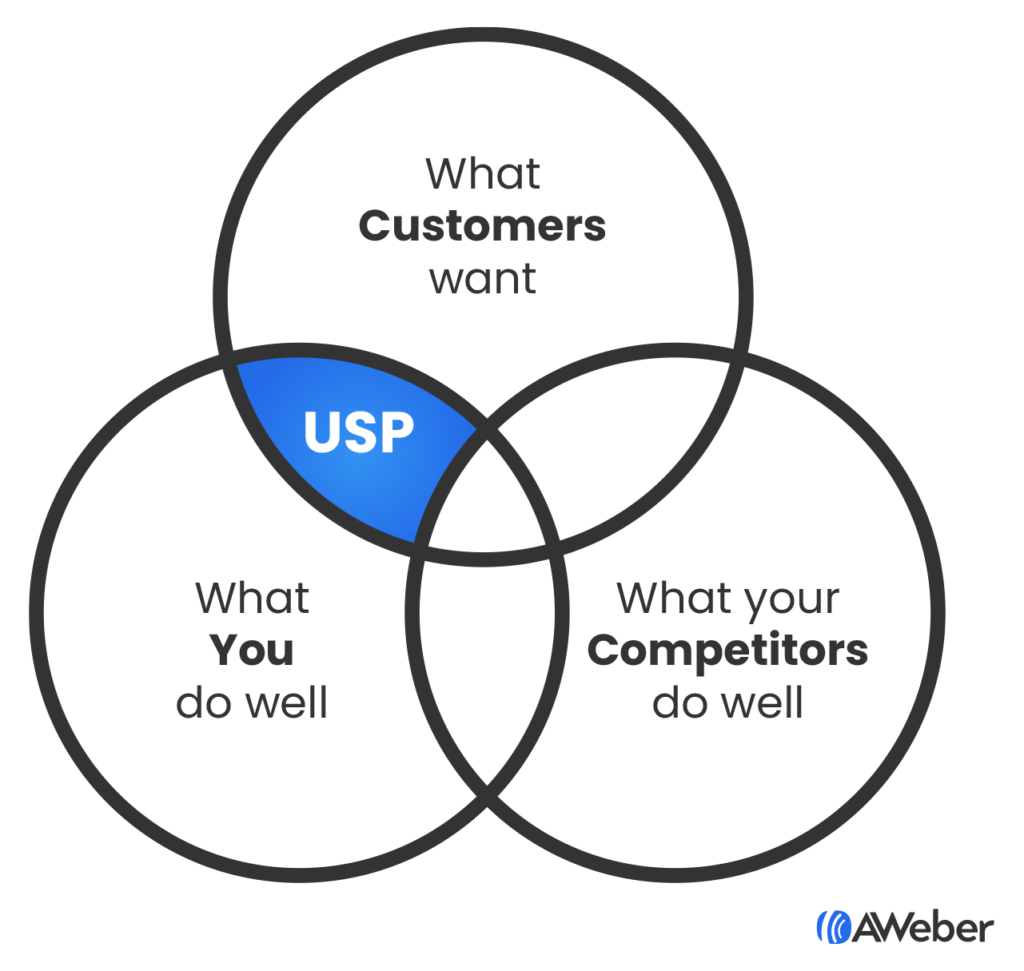
Developing a strong unique selling proposition (USP) is one of the best ways to elevate your marketing efforts. Not only does it help define your overall strategy, but it also makes all your marketing endeavors more effective.
What is a Unique Selling Proposition?
A USP answers two critical questions:
What makes you better or different than your competition?
Why should people buy from you?
Your USP should be a concise sentence or phrase that clearly explains why your business stands out. It’s the essence of what makes your business unique.
Characteristics of a strong USP
1. Authentic to your business
Your USP must be rooted in what your business genuinely excels at. It’s not enough to simply claim superiority; your USP should reflect a true strength or focus of your business.
For instance, if you run a pizza place, claiming “We’re the best” isn’t enough. However, if your pizza place is renowned for using organic, locally sourced ingredients, your USP could be “Farm-fresh ingredients in every slice.”
This authenticity builds trust with your customers. They need to know that what you promise in your USP is what they will experience. A genuine USP is more sustainable because it aligns with your company’s mission and values.
2. Customer-focused promise
A USP should address your customers’ needs and highlight a key benefit. Whether it’s your exceptional product quality or world-class customer service, your USP should communicate what sets you apart in a way that resonates with your ideal customers.
For example, if your business prides itself on fast delivery, your USP could be “Hot pizza at your door in 30 minutes or less.”
It’s important to understand your customers’ pain points and how your business addresses them. A good USP is less about the product and more about the solution it provides. If your unique offering is an exceptional customer experience, make sure that’s evident in your USP.
3. Distinct from competitors
A good USP leverages the principle of positioning, clearly articulating how your business is different from competitors. It highlights your competitive advantage and helps position your company in the minds of potential customers.
For example, if you own a coffee shop in a crowded market, your USP might be “The original craft coffee experience since 1966.”
This distinctiveness is crucial because it helps your business stand out in a crowded marketplace. Your USP should succinctly convey why a customer should choose you over your competitors, emphasizing your unique value proposition.
4. Memorable and concise
Your USP should be short and memorable. It should be a statement that encapsulates your company’s identity and can be reflected in all your marketing and communications. A concise USP is easier for customers to remember and recall, which is essential for brand recognition.
For instance, Apple’s “Think different” is a succinct and memorable USP that encapsulates the brand’s innovative spirit.
Finding your USP
To uncover an effective USP, consider the following questions:
What product or service are you selling?
Clearly define what you offer. If you’re an affiliate, what businesses or products are you promoting? Knowing exactly what you are selling helps in identifying your unique angle.
What unique features and benefits does it offer?
List out the features and benefits that set your product or service apart. This could include quality, speed, customer service, or unique ingredients.
Who is your target audience?
Define your ideal customer. Who are they? What are their demographics and psychographics? Knowing your audience helps tailor your USP to their specific needs and desires.
What are their key pain points?
Identify the main problems your target customers face. Understanding these pain points is crucial as your USP should address how your product or service solves these issues.
How does your product or service address these pain points?
Explain how your offering specifically alleviates the pain points of your customers. This is where the core of your USP will come from.
Who are your competitors and what are their USPs?
Research your competitors. What are they claiming as their unique selling points? This knowledge helps you position yourself distinctively.
What do you do better than your competitors?
Highlight what you excel at compared to others in your industry. This could be better quality, faster service, more personalized attention, etc.
How do you run your business differently?
Describe any unique processes or methodologies your business employs. This could include sustainable practices, unique supply chains, or innovative technologies.
How do you treat your customers differently?
Emphasize your customer service approach. Do you offer 24/7 support, personalized follow-ups, or a satisfaction guarantee?
How would you answer a customer who asks, “Why should I buy from you?”
Craft a direct response to this question. This will help you distill your thoughts into a clear and compelling USP.
{
“@context”: “https://schema.org”,
“@type”: “FAQPage”,
“mainEntity”: [{
“@type”: “Question”,
“name”: “What product or service are you selling?”,
“acceptedAnswer”: {
“@type”: “Answer”,
“text”: “Clearly define what you offer. If you are an affiliate, what businesses or products are you promoting? Knowing exactly what you are selling helps in identifying your unique angle.”
}
}, {
“@type”: “Question”,
“name”: “What unique features and benefits does it offer?”,
“acceptedAnswer”: {
“@type”: “Answer”,
“text”: “List out the features and benefits that set your product or service apart. This could include quality, speed, customer service, or unique ingredients.”
}
}, {
“@type”: “Question”,
“name”: “Who is your target audience?”,
“acceptedAnswer”: {
“@type”: “Answer”,
“text”: “Define your ideal customer. Who are they? What are their demographics and psychographics? Knowing your audience helps tailor your USP to their specific needs and desires.”
}
}, {
“@type”: “Question”,
“name”: “What are their key pain points?”,
“acceptedAnswer”: {
“@type”: “Answer”,
“text”: “Identify the main problems your target customers face. Understanding these pain points is crucial as your USP should address how your product or service solves these issues.”
}
}, {
“@type”: “Question”,
“name”: “How does your product or service address these pain points?”,
“acceptedAnswer”: {
“@type”: “Answer”,
“text”: “Explain how your offering specifically alleviates the pain points of your customers. This is where the core of your USP will come from.”
}
}, {
“@type”: “Question”,
“name”: “Who are your competitors and what are their USPs?”,
“acceptedAnswer”: {
“@type”: “Answer”,
“text”: “Research your competitors. What are they claiming as their unique selling points? This knowledge helps you position yourself distinctively.”
}
}, {
“@type”: “Question”,
“name”: “What do you do better than your competitors?”,
“acceptedAnswer”: {
“@type”: “Answer”,
“text”: “Highlight what you excel at compared to others in your industry. This could be better quality, faster service, more personalized attention, etc.”
}
}, {
“@type”: “Question”,
“name”: “How do you run your business differently?”,
“acceptedAnswer”: {
“@type”: “Answer”,
“text”: “Describe any unique processes or methodologies your business employs. This could include sustainable practices, unique supply chains, or innovative technologies.”
}
}, {
“@type”: “Question”,
“name”: “How do you treat your customers differently?”,
“acceptedAnswer”: {
“@type”: “Answer”,
“text”: “Emphasize your customer service approach. Do you offer 24/7 support, personalized follow-ups, or a satisfaction guarantee?”
}
}, {
“@type”: “Question”,
“name”: “How would you answer a customer who asks, why should I buy from you?”,
“acceptedAnswer”: {
“@type”: “Answer”,
“text”: “Craft a direct response to this question. This will help you distill your thoughts into a clear and compelling USP.”
}
}]
}
Crafting and using your USP
Once you have your answers, distill them into a brief statement that captures what makes you different. This is your USP. Here’s how to implement it effectively:
Make It visible
Don’t just leave your USP in your notebook. Put it everywhere so it stays top of mind. Make it your computer and cellphone background. Frame it on your desk. Sign it at the bottom of your emails. Ensure it’s visible on your website, marketing materials, and even your office space. This constant visibility reinforces your brand’s unique position in the minds of your team and customers.
Live it daily
Even more importantly, live it. Breathe it. Make everything you do and how you do everything embody that USP. Make it as much a focus of your daily work as your mission statement or your business’s financial goals. Your actions should consistently reflect the promises made in your USP, creating a cohesive and authentic brand experience.
Examples of effective USPs
1. Canva: Online Design Made Easy
Canva simplifies design, making it accessible to everyone. Their USP is evident in their user-friendly interface and comprehensive design tools. Canva’s promise of ease is reflected in every aspect of their service, from their intuitive drag-and-drop features to their extensive library of templates.
2. Buffer: All-You-Need Social Media Toolkit for Small Businesses
Buffer addresses the pain point of tool overload by providing an all-in-one solution for small businesses. By consolidating multiple functions into one platform, Buffer simplifies social media management, making it more efficient for small business owners.
Their USP clearly targets a specific audience, ensuring they attract the right customers.
3. Product Hunt: The Best New Products in Tech
Product Hunt’s platform surfaces the best new tools through community voting. Their USP is rooted in their mission to highlight innovation in tech. By allowing users to vote on new products, Product Hunt leverages social proof to validate their selections, making their USP both unique and credible.
4. Nike: Just Do It
Nike’s USP centers on the themes of motivation, inspiration, and empowerment. The brand’s marketing and product design emphasize the idea that with the right gear, anyone can surpass their goals and unlock their full potential.
This approach not only highlights the functional benefits of Nike’s offerings but also connects with customers on an emotional level, making them feel empowered and inspired to strive for excellence in their athletic endeavors.
5. REI: A Life Outdoors is a Life Well Lived
REI’s USP encapsulates its commitment to the outdoor lifestyle, beyond just selling products. They offer trips, classes, and a vast library of articles about outdoor life. REI’s USP resonates with their audience’s passion for the outdoors, positioning them as more than just a retailer but as a lifestyle brand.
6. Peet’s Coffee: The Original Craft Coffee
Peet’s emphasizes its long history and authenticity in the craft coffee movement. Their USP, “The Original Craft Coffee,” speaks to their pioneering role in the industry. This not only differentiates them from newer competitors but also appeals to customers who value tradition and quality.
Your turn
A well-defined USP can set your business apart and attract your ideal customers. By answering the right questions and staying true to what makes your business unique, you can craft a USP that not only differentiates you from competitors but also resonates deeply with your target audience. Once crafted, make your USP a central part of your business strategy and daily operations to maximize its impact.
By understanding your strengths, focusing on your customers’ needs, and clearly differentiating yourself from competitors, you can create a USP that drives your marketing success and solidifies your brand’s position in the market. Embrace your uniqueness, communicate it effectively, and let your USP guide your path to business growth and customer loyalty.
The creator economy is a growing sector where individuals use digital platforms to create and share content, build communities, and, ultimately, make money. In 2024, the creator economy is valued at a whopping $250 BILLION and is expected to nearly double by 2027.
This booming sector offers unprecedented opportunities for creators who know how to navigate this dynamic and evolving market.
But how do you know you’re doing it right? Things change fast, and staying informed of the industry’s latest best practices can be a full-time job.
To help you navigate your way to the top of the creator economy, we reached out to eight experts. Each one of them knows the ins and outs of the creator economy, so we asked what they think the best moves are for content creators in the next 6 – 12 months. Specifically, we asked them four major questions:
1. How concerned are you about the economy in the next 6 – 12 months, especially for creators? 2. Could you rate that concern on a scale of one to ten, with one being the lowest? 3. What are you doing to adjust your business to adapt to this new environment? 4. What do you recommend other creators do right now to survive and even thrive through the next year or so?
How worried are they?
Surprisingly, the experts we talked to aren’t losing any sleep over fears of the creator economy tanking any time soon.
Five of our eight experts weren’t concerned at all (1-2 rating)
Three of our experts feel things could go either way (5-6 rating)
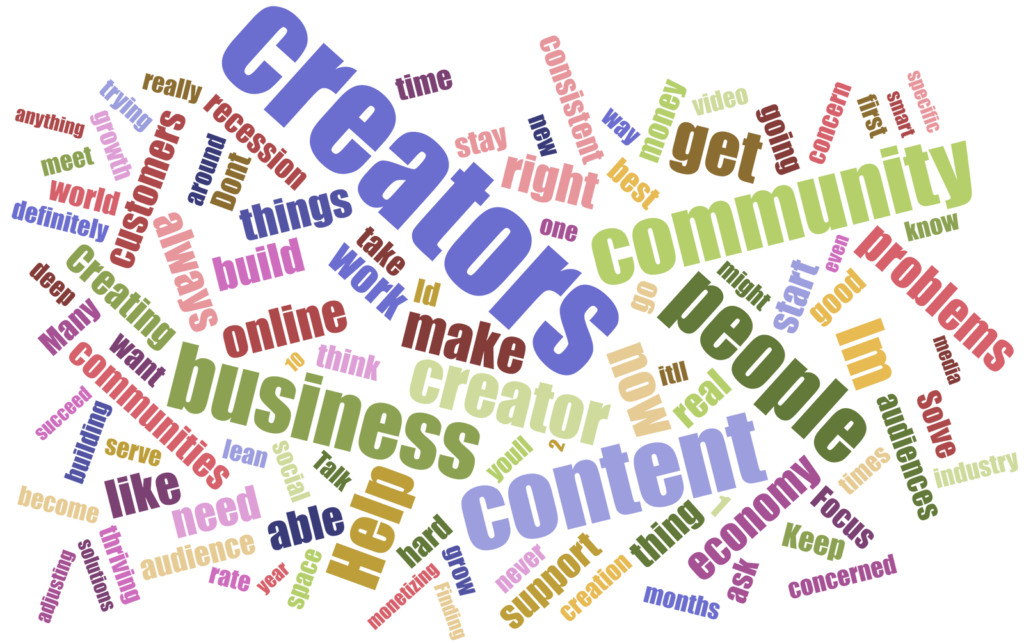
The average score of everyone’s rating for how concerned they are? Just 2.9 out of 10. Just check out this word cloud of their answers:
What stands out? Creators, sure. Content, yep. What else?
Community. Help. Support. Audience. People.
Across the board, every one of our experts gave pretty much the same advice: build a community.
Find a group of people who genuinely appreciate and value your work. Get to know that community really, really well.
Connect to them.Then – and only then – offer them paid solutions and support for those problems.
Why “focus on building a community” is great advice
People who are well-connected, visible, and contribute to communities tend to have more opportunities. The people they are connected to “know, like, and trust” them, so they’re aligned with that golden rule of sales and marketing. They get more work, even in downturns. And they’re well-enough connected to know when and how to pivot if that becomes necessary.
Those are the key takeaways from the answers we got: Most of these creators/advisors aren’t very worried about how creators will fare in 2022, and they recommend every creator focus on building a specific audience/community.
But a lot of other issues came up. For that, it’s best to let these eight experts speak for themselves.
How concerned are you about the economy in the next 6-12 months, especially for creators? Could you rate that concern for me on a scale of one to ten, with one being the lowest?
I don’t think there is anything to be concerned about. The creator economy is a thriving economy. More and more people are finding they can turn their passion or hobby into a full-time career and build successful online businesses with little or even 0 investment. People are consuming more content than ever, whether it is through social media, blogs, etc. Content creators that are smart about it can easily start monetizing their online audiences and their content. I’d rate my concern for this question as 1.
What are you doing to adjust your business to adapt to this new environment?
It’s been a crazy year for business growth and it’s grown to levels I would have never imagined. What did I do? I built an online community around a specific topic, addressed my community problems with my content, and offered solutions. I’m more adjusting myself to this rapid business growth, rather than adjusting my business to a new environment. Very excited to continue seeing it grow.
What do you recommend other creators do right now to survive and even thrive through the next year or so?
Honestly, the best thing any creator looking to succeed can do is to build a strong online community. Choose one platform (ideally one in social media) and start creating consistent content and building relationships. Once you have a decent community (not saying you need thousands and thousands of people) but a decent, engaged community, they can start thinking about how to offer “paid solutions” to the main problems anyone in their community has.
How concerned are you about the economy in the next 6-12 months, especially for creators? Could you rate that concern for me on a scale of one to ten, with one being lowest?
I am holding steady around a 6 right now. In many of my circles, the pinch is definitely already under way and it’s hard to say which way it will go at this point. I would like to have trust that we’ll be able to steer clear of it but it’s definitely a worry.
What are you doing to adjust your business to adapt to this new environment?
I have been reducing my expenses for a few months now and trying to run a lean business machine. I am also planning to talk to my bank about a line of credit to use if things take a downturn. I am also adding in a few other revenue streams that might be more recession proof.
The biggest thing I did when the pandemic seemed to slow things down was take on a more consistent client that I know will be good for a while. I call it my side hustle but it’s a higher paying and more consistent remote client for me to work for around the edges of my coaching business.
What do you recommend other creators do right now to survive and even thrive through the next year or so?
First, you always have to do what you need to do to feel safe and secure. So if that means look for a part-time job, so be it. Family comes first in my world. As does the mortgage. The great thing about being a creator is that it can always happen in the margins of our lives — get up early, stay up later. Being a creator doesn’t stop in a recession. But paying your bills should always be a primary focus. There’s no shame if you have to work at Starbucks to make ends meet. Your financial wellbeing is such a huge piece of your overall well being. So tend to it like it’s a priority not an afterthought.
Second, start creating safety nets — like a line of credit from your bank or through another lender — and perhaps a bit of a cash infusion right now before the bottom drops out. If it doesn’t, you’ll be in good shape. If it does, it will buy you a few months.
Diversify. What else can you do in the meantime to ensure you have some income coming in? Can you target a different but stable industry right now to get you shored up for upcoming months?
Finally, ask for help. You’d be so surprised who is willing to help you when times are hard. We forget that resilience evaporates in solitude. We need to help each other. We’re meant to help each other. So reach out and share your story and what you need.
How concerned are you about the economy for the next 6-12 months, especially for creators? Could you rate that concern for me on a scale of one to ten, with one being lowest?
It’s always important to keep your eye open for what’s happening in the world and how it might affect your business. I’m about a 5 on a scale of one to 10. It’s definitely concerning and something to keep an eye on but I won’t be doing anything drastic.
What are you doing to adjust your business, your marketing, or your content to adapt to this new environment?
I was a network television news producer during the 2008 recession. We found creative and authentic ways to tell stories that would really resonate with our audience. I’m always thinking of the audience first. What are they going through and how can my expertise best serve them?
What do you recommend other creators do right now to adapt and maybe even thrive through the next year or so?
Slow and steady wins the race. Stay true to that. Stick with the good stuff that you know works and don’t try to reinvent the wheel now.
How concerned are you about the economy in the next 6-12 months, especially for creators? Could you rate that concern for me on a scale of one to ten, with one being lowest?
As a creator since 2018, I’ve seen many changes over the past 4 years – some exciting, some troubling. But right now? Creators now have a unique opportunity to feast or famine inside of this ever-changing industry. Between new platforms, the recession and the move to video content, it’s time to realize actions that worked in 2020 aren’t going to work in the future and pivots need to be made.
For those that step up to the plate to learn new skill sets, to tap into the true “business” of content creation I think there is more than enough space for people to get ahead in this industry. I am 5/10 nervous for creators.
What are you doing to adjust your business to adapt to this new environment?
Personally I’m refining my skills and becoming much more proficient in editing, video content and creating my own trends for others to follow. But behind the scenes I am networking like my business depends on it, because it does. This looks like taking a proactive role in the opportunities I’m given and the rooms my name will be brought up in. All it takes is you to ask to be part of a collaboration, to get a shout out or to partner with a brand to change the entire future of your creator business.
What do you recommend other creators do right now to survive and even thrive through the next year or so?
Externally, it’s time to become innovative and take bigger risks with your content and the online space that you’re taking up. Make noise, make waves and stop clinging to the past. Those that will win aren’t worrying about “what used to work,” they’re onto the next thing. Let that be you! Improve your skills especially if it’s holding you back from video – Youtube, masterclasses and more can help you get the basics down so you can add more services to your roster.
Move into burgeoning markets like UGC content creation – this is my client’s main focus because it’s not saturated right now and allows you to get paid without the rat race of likes and comments.
Internally, if you want social to be your job, treat it like a business with the same dedication, business acumen and seriousness that you’d expect. Shake hands, get networking and ask for the things that you want – you never know when someone might just say yes.
How concerned are you about the economy in the next 6-12 months, especially for creators? Could you rate that concern for me on a scale of one to ten, with one being lowest?
My concern depends on the creator. Since”creator” is a broad word. If you are a creator who has lasered in and is solving real problems for your perfect customers. You’ll be okay. I’d rate that as a 2.
But the average creator was already living an unsustainable life before the downturn. Many creators are slaves to content creation, are facing burnout, and are barely making ends meet. For these creators, I’d rate it at an 8.
This may not be a horrible thing for most of these creators. It’ll help them understand who they should serve and how they can serve them with their personal gifts.
What are you doing to adjust your business to adapt to this new environment?
Identifying what my rare and valuable skill is. Finding customers who love what I do. Talking to real customers to figure out how to grow my business instead of making an “educated” guess.
Prioritizing ruthlessly by choosing only a couple things to pursue. Deciding to eliminate everything that isn’t good for my business, healthy for me, or play. Creating anti-fragile support systems so I can survive even if things don’t work out.
Surrounding myself with smart mentors who can point me in the right direction. Make sure my network knows my calling card. Trying to help and be useful to whoever comes my way irrespective of if I’ll get something in return.
What do you recommend other creators do right now to survive and even thrive through the next year or so?
Talk to the people who love your content. Talk to people who you solve real problems for. Who does (or would be willing to) pay a bunch of money for your work?
Understand these people at a deep level. Figure out where they hang out, what messaging appeals to them, and what real problems you solve for them.
Then use what you learned. Go to the places they hang out and become useful. Help your dream customers solve their most difficult problems. Solve problems for others that are difficult for them and easy for you.
And most important of all… still do what’s best for your mental & physical health. Stay connected with friends. Go for walks in the park. If you put too much pressure on yourself, it’ll be harder to succeed and it’ll be less fun.
When you get lost, ask yourself: Why am I doing this? Keep asking why until you get to the real deep reason.
Focus on that deep why. Not on the vanity metrics. Don’t worry, you’ll make it through.
How concerned are you about the economy in the next 6-12 months, especially for creators? Could you rate that concern for me on a scale of one to ten, with one being lowest?
I’m not at all concerned about the economy over the next 6-12 months as it relates to creators. I’m pretty confident in rating my concern a 2/10. I believe the economy for creators has never been stronger. Just look at the number of people leaving traditional 9-5s either by choice or by force, it’s a really telling sign that the market for creators is thriving.
What are you doing to adjust your business to adapt to this new environment? We’ve worked hard over the years to build robust systems to support our clients. I hear from creators all the time how overwhelming it can feel especially if you’re being told how unstable and volatile your market is. In turbulent times, creators need someone to lean on, so being able to have the right support, community, and mentorship is critical to stability and growth.
What do you recommend other creators do right now to survive and even thrive through the next year or so?
In my experience, the creators who are thriving are the ones focusing on a specific audience – they’re not trying to go broad with their content, products or services. Find the people that you enjoy connecting with, who you can impact the most, in the shortest amount of time. They will become your super fans if you stay consistent with your content.
On a scale 1 – 10 , a 1. I think the current state of the economy presents a massive opportunity for creators and freelancers that are able to provide value online to their audiences and customers.
We are removing the barrier for creators to set up online communities so they are able to take control of their income and audience, we’re doing this by allowing creators to manage the whole community building, monetizing, and the process for running that community all within the backspace platform for free.
We recommend all creators keep their focus on creating amazing content that adds value to their audiences. During hard times people often come to their communities for support, so be sure to start building out and engaging more with your communities.
Overall I really think many creators are going to be able to build extremely tight-knit communities of people experiencing the same things.
Having a sense of community is going to be crucial, creators that are able to curate these groups and communities will have lifelong support from their audiences.
As far as the economy goes I’m not concerned at all as a creator. I’d give it a 1 or a 2. For me, people always want to grow and make money. I help creators make money and as long as we have people in the world that want to make money I’ll survive.
I’m all in on web3. I help creators from all over the globe and decided to lean into the crypto space heavily. I’ve created my own currency, $GARY coin, and helped 30+ other creators do the same. This has allowed me to build a strong community of loyal supporters that continually show up. I have a group of 70+ creators that meet daily at 5:00 AM EST in discord to mastermind and collaborate.
Decentralize and build your community. The world is changing fast and focusing on your personal brand and growing your community of super fans is the best advice I can give anyone. When I did that last year. It changed my life!
So, where is the creator economy going next?
The future of the creator economy is bright. In fact, economists are projecting that this market could be worth half a trillion dollars in just the next 3 years.
This growth is being fueled by new technologies that are making it easier to create content. New platforms like TikTok alongside established platforms like YouTube and Facebook, are also driving increased digital media consumption.
For creators, that means that the path forward involves leveraging these platforms and tools to continuously engage with their communities. Creators who build and nurture strong connections with their communities will be best positioned to succeed. Stay engaged, be proactive, and keep creating!
This NAIDOC Week, we’re proud to shine a spotlight on the Pitjantjatjara Mathematics Program at Areyonga School: an important initiative supported by Schools Plus to empower First Nations children to thrive.